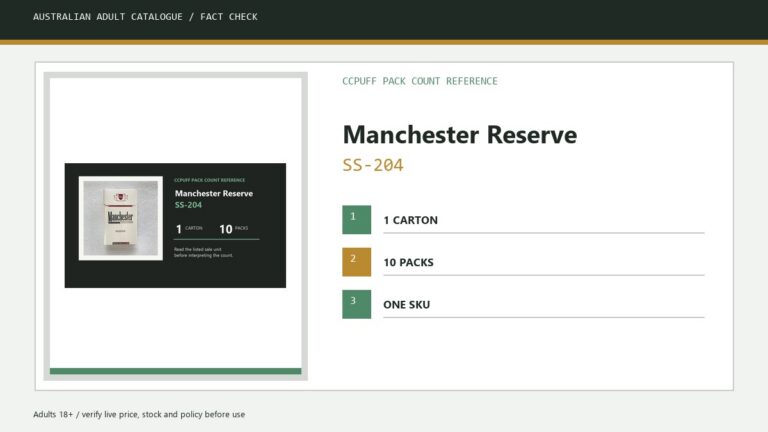
The useful part of carton-versus-pack quantities is the order of operations. The sale unit changes how a price should be interpreted, especially when a listing headline looks like a single pack. CCPuff keeps the workflow short so an adult customer can identify the correct catalogue record before placing an order.
Pack Count Reference pass one: identity
- Look for the sale-unit wording.
- Confirm 10 individual packs per carton.
Pack Count Reference pass two: current conditions
- Match title and SKU.
- Recheck the live price before checkout.
A support-ready Pack Counts record
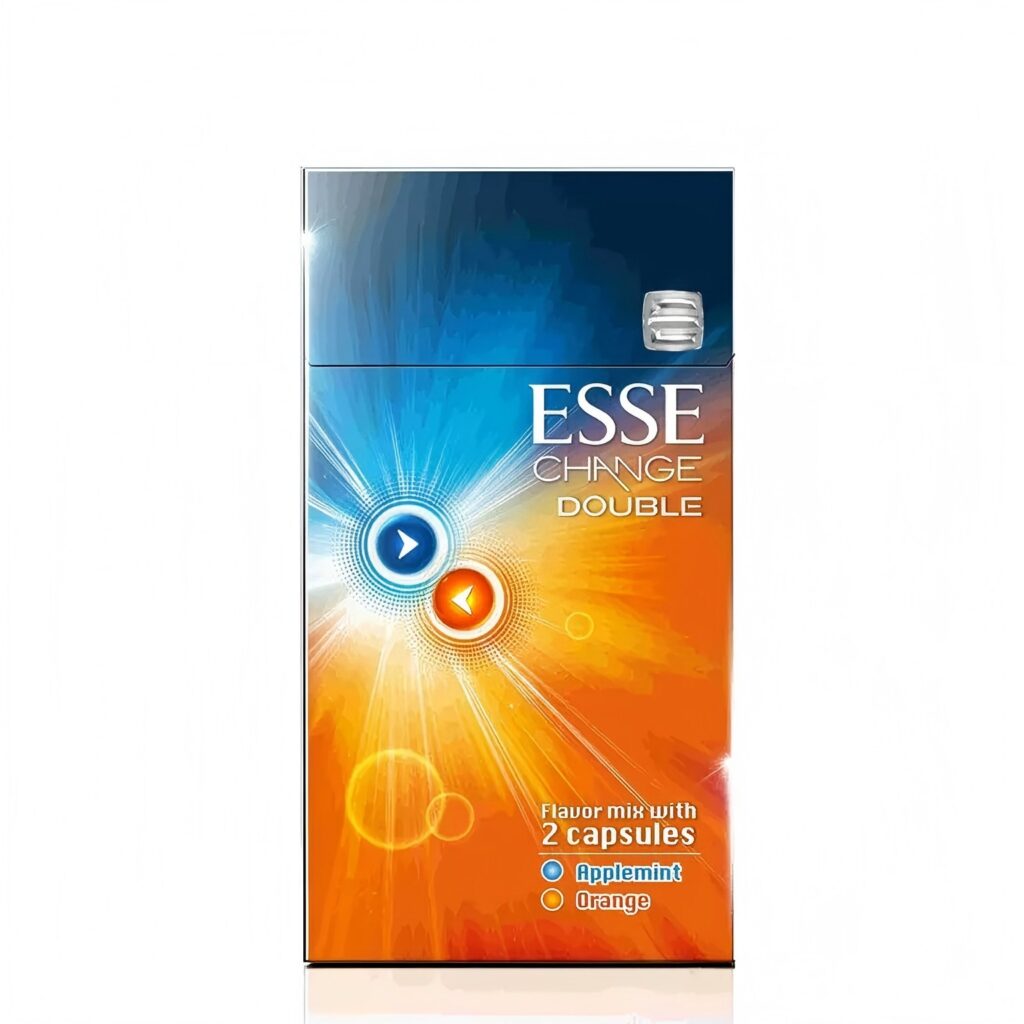
For ESSE Change Double Applemint Orange – 1 Carton (10 Packs) (SKU SS-259), the Pack Count Reference keeps title, SKU, displayed amount and review date together. That CCPuff record gives a delivery or order enquiry a precise subject without asking support to infer which variant was meant.
Mobile and desktop review habits
A review date keeps stable fields away from temporary values. For ESSE Change Double Applemint Orange – 1 Carton (10 Packs), the title, SKU SS-259 and one-carton wording belong on the identity side. AUD price, availability, imagery and delivery eligibility belong beside the date checked. The review date therefore supports the outcome that Explicit pack counts prevent quantity surprises at checkout.
A support message should use the history boundary: exact title, SKU SS-259, the specific issue and an order number only when one exists. The history boundary leaves out card details, identity documents and unrelated personal history. Support can then investigate carton-versus-pack quantities from a defined record instead of reconstructing the product from a nickname.
Separate identity from live conditions
Test a saved result with the recheck interval. The final address should still open ESSE Change Double Applemint Orange – 1 Carton (10 Packs) and display SKU SS-259 with the expected carton wording. If a category link or redirect lands elsewhere, the recheck interval records that path problem separately from stock or price, preserving a clean diagnosis for carton-versus-pack quantities.
CCPuff begins its working review with a freshness log built for carton-versus-pack quantities. The freshness log places ESSE Change Double Applemint Orange – 1 Carton (10 Packs), SKU SS-259 and the carton quantity together before any live condition is considered. In the Pack Count Reference, this layout directly counters comparing a carton price with a single-pack assumption while keeping the record readable.
Use a clear stopping rule
Use the changeable-field column in the order shown by this guide. Its opening line is “Look for the sale-unit wording.”; the next is “Confirm 10 individual packs per carton.” The changeable-field column does not move to “Match title and SKU.” or “Recheck the live price before checkout.” until identity is settled. This makes the checklist a decision path rather than a loose collection of tips.
On mobile, the live-state mark is completed one field at a time. Keep the live CCPuff record open, copy the code, read the carton label and only then visit the cart or contact form. This live-state mark avoids memory-based comparison and makes a long product title manageable without discarding the words that distinguish its variant.
Related catalogue and policies
Open the ESSE Change Double Applemint Orange – 1 Carton (10 Packs) product record, continue with the CCPuff cigarette carton catalogue, review the ESSE category, confirm eligibility in the Australia-only shipping policy, read the returns and refunds policy, or use the CCPuff contact page for a record-specific question.
Adults 18+ only. Tobacco products are addictive and harmful. This guide provides catalogue information only.
Common questions
What is the first fact to verify in this guide?
Start with the complete live product name, SKU and sale unit before checking price, stock or delivery.
Can a saved price or image be treated as current?
No. The live product page is the authoritative reference because prices, stock and images can change.